Supramono vs Building Your Own GTM Stack
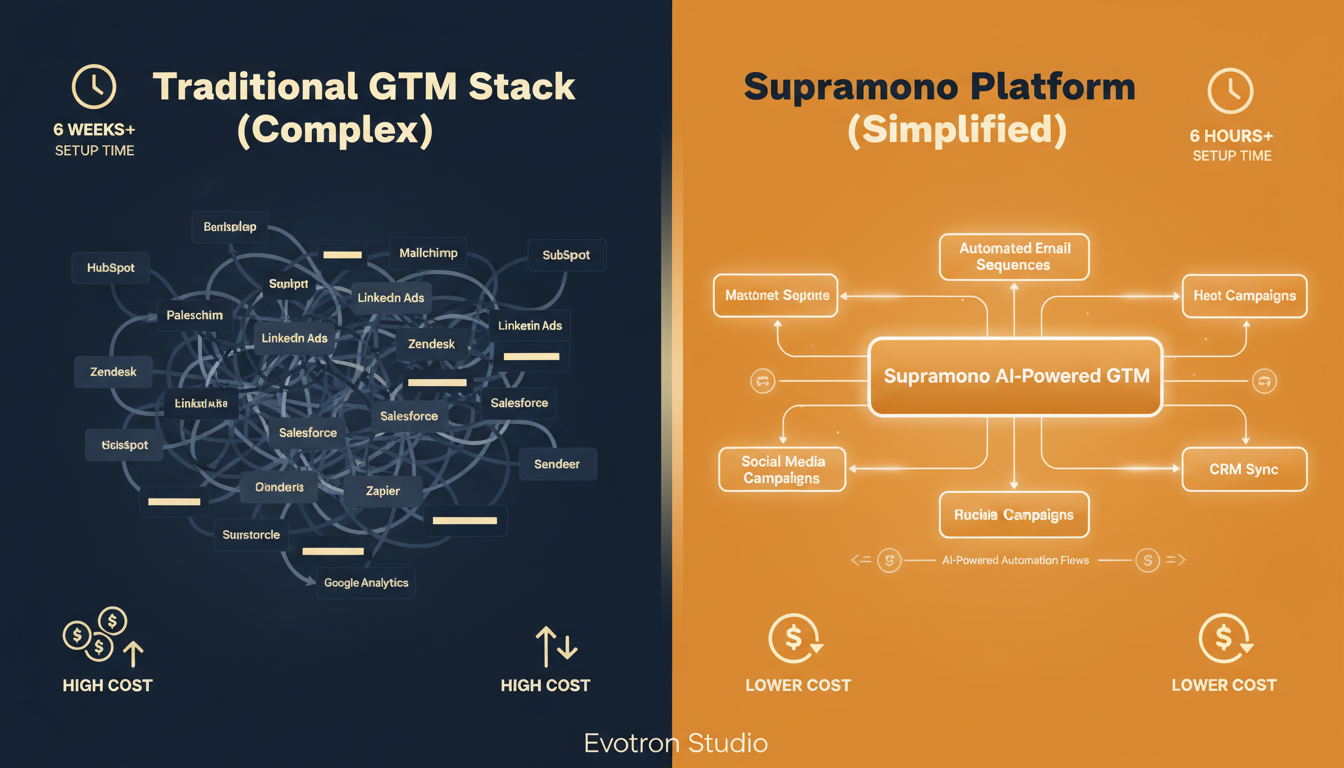
Compare Supramono's AI-powered GTM suite vs building HubSpot + Mailchimp + LinkedIn integrations. Setup time, costs, and results for early-stage startups.
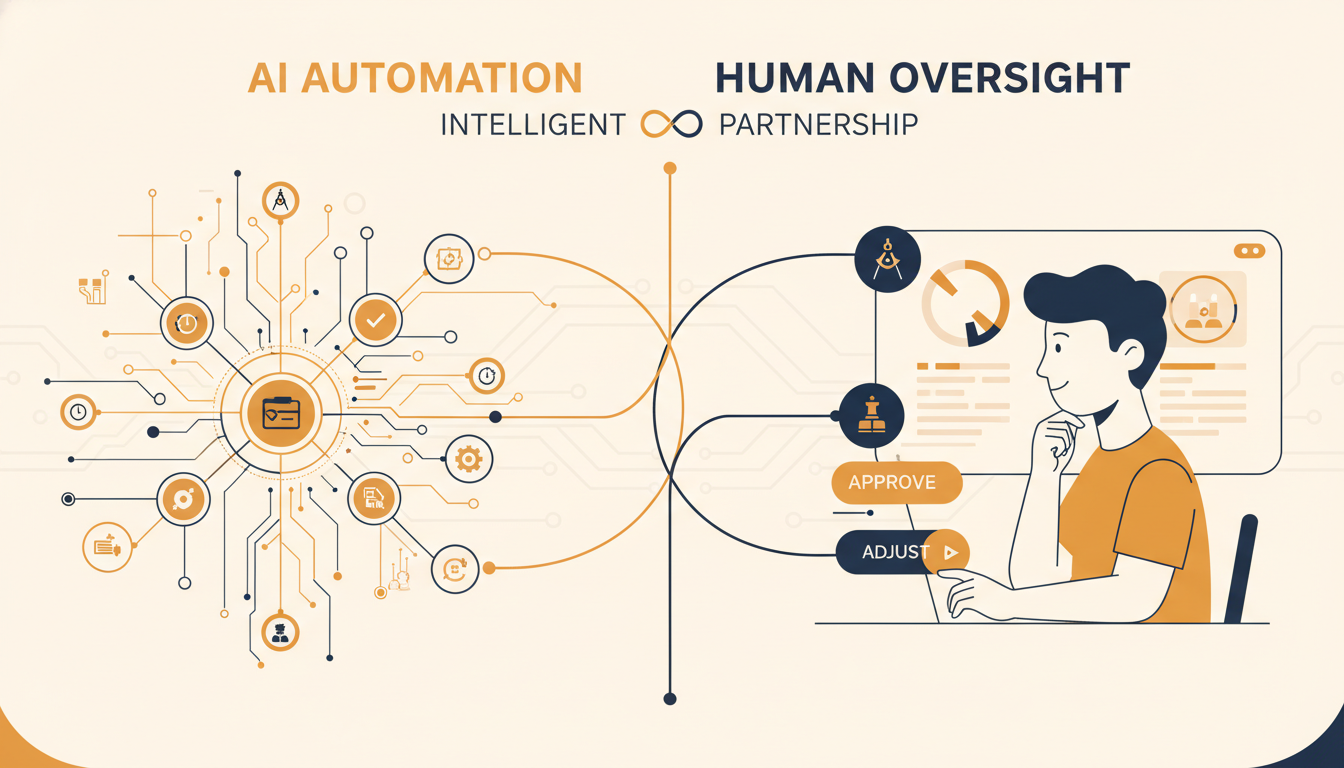
Most AI agents still need human oversight for edge cases despite marketing claims. Here's the 80/20 rule that actually works in 2026.
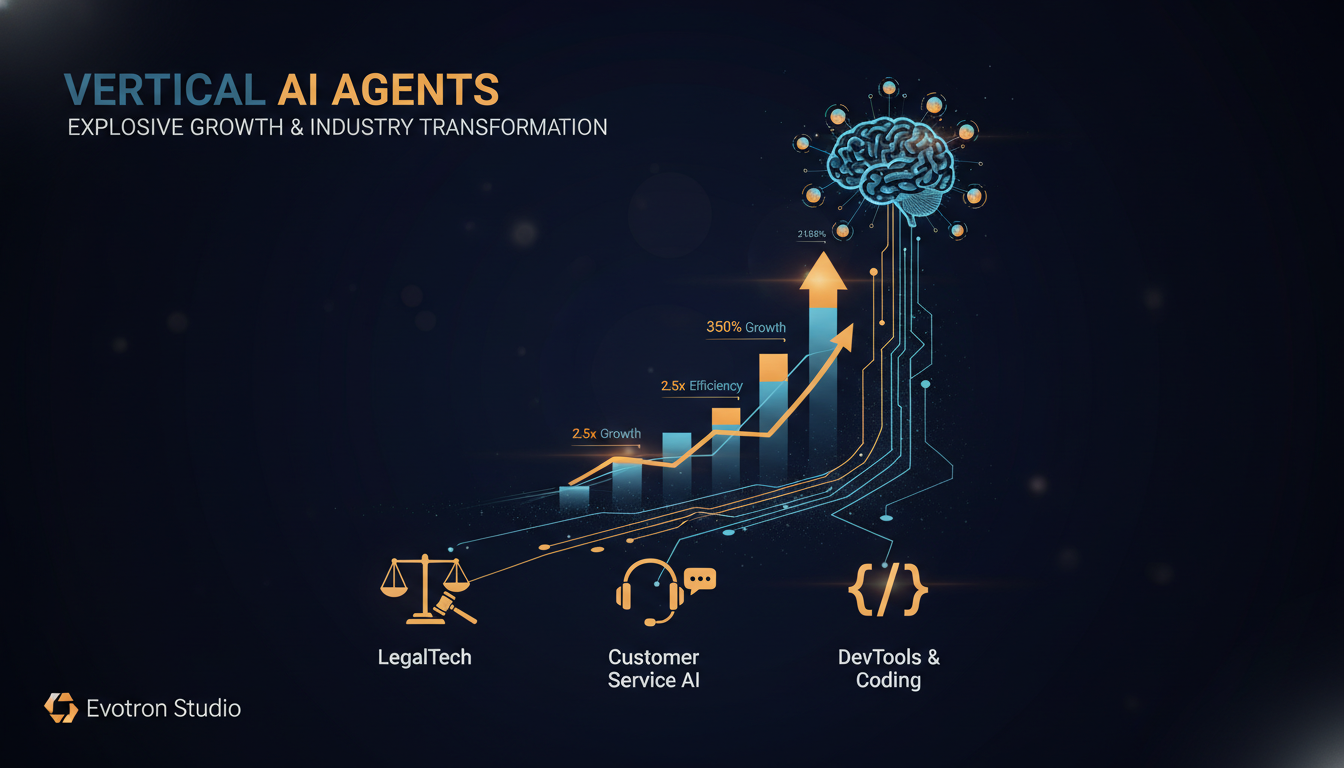
VCs predict 300+ vertical AI unicorns by 2035 as domain-specific agents like Harvey ($8B), Sierra ($10B), and Cursor ($29B) prove the massive opportunity in specialized AI.
80% of AI wrapper startups will disappear by 2026. Here's how to build something defensible instead of just another thin layer on ChatGPT.
Agentic AI startups are emerging that can autonomously validate ideas, build products, acquire customers, and scale — fundamentally changing who can start companies.
Cognition AI scaled from $1M to $73M ARR in 10 months using AI agents. Here's what NZ founders can learn about AI-accelerated product development and the two paths to leverage …
OpenAI's $840B valuation and xAI's $230B funding reveal AI models are becoming commodities. For NZ startups, value shifts to implementation and workflow orchestration.
2026 is the AI agent breakout year. As a startup founder, you can either learn to drive AI agents yourself or partner with humans who orchestrate them for you—here's how …
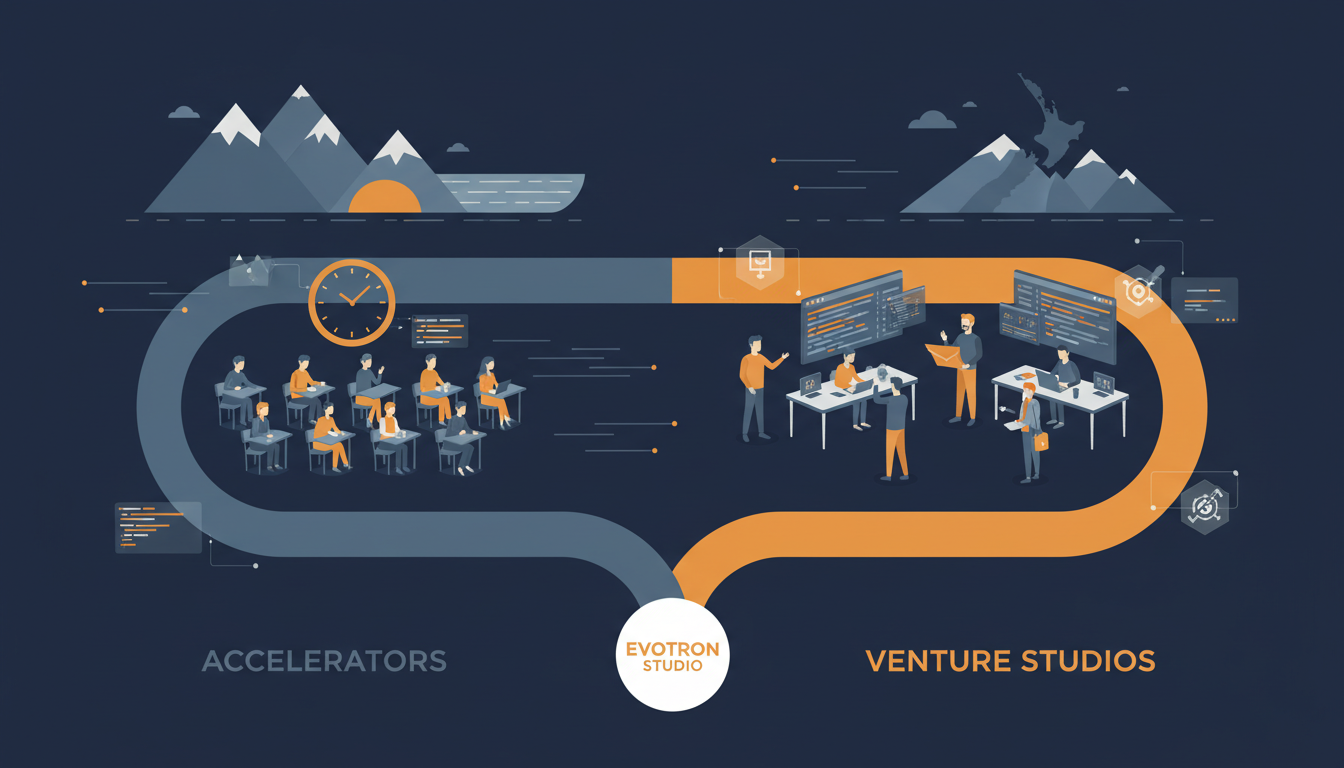
Accelerators work for startups with MVPs, but most NZ founders with funding and vision need co-builders, not coaches. Here's why venture studios beat traditional programs for early-stage founders.
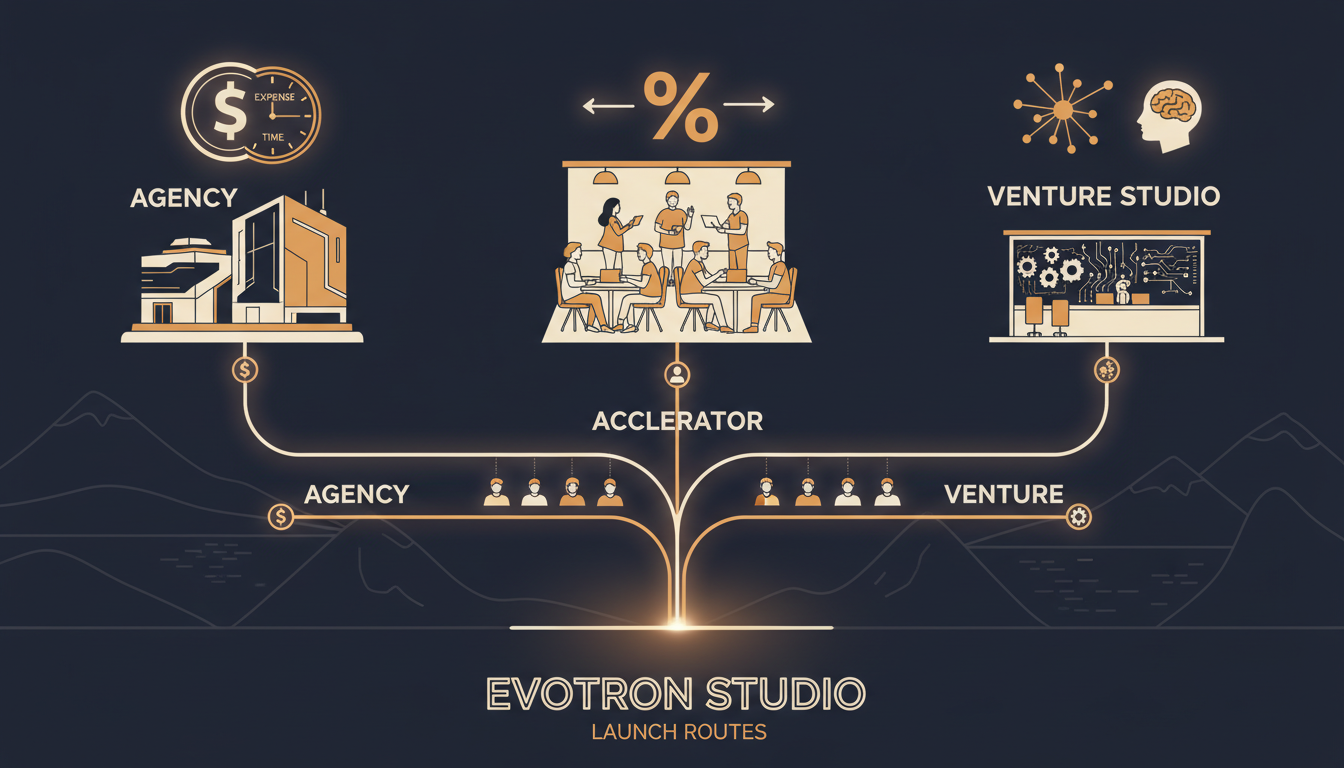
Compare the three main paths NZ founders take from idea to launch: $80K+ agencies, 5-10% accelerator equity, or venture studio partnerships. Real costs, timelines, and outcomes.
From solo billion-dollar founders to AI agent armies, these wild startup predictions for 2026 are actually happening—and reshaping how Kiwi founders build companies.
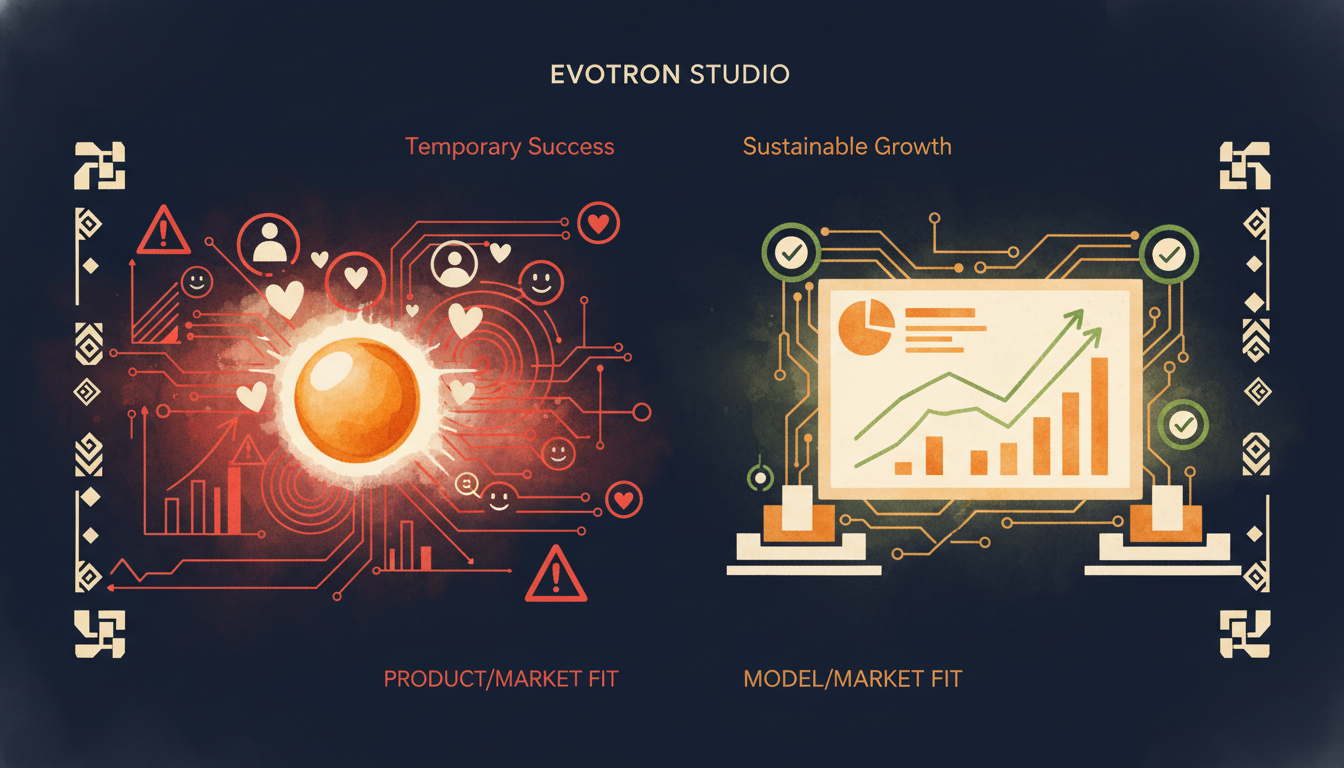
Why having customers love your product isn't enough—and how Model/Market Fit separates sustainable businesses from beautiful failures.