When to Choose Human-Guided AI vs Solo AI Implementation
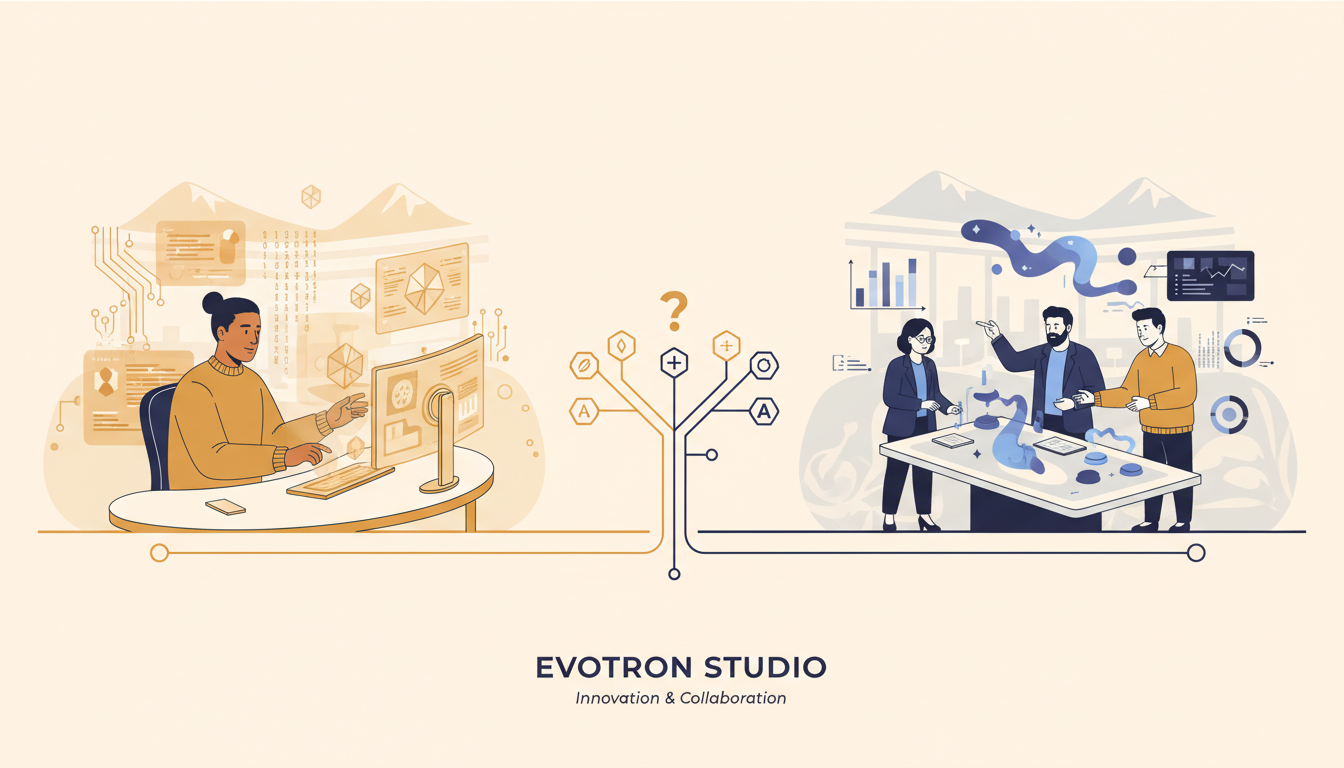
The AI implementation landscape has fundamentally shifted in 2026. Agentic coding has become the defining paradigm shift in software engineering, with 95% of professional developers now using AI coding tools at least weekly, and 75% relying on AI for at least half their engineering work. But here's the crucial question every founder faces: Should you go it alone with AI agents, or partner with humans who guide those agents?
The answer isn't obvious—and getting it wrong could cost you months of runway and momentum.
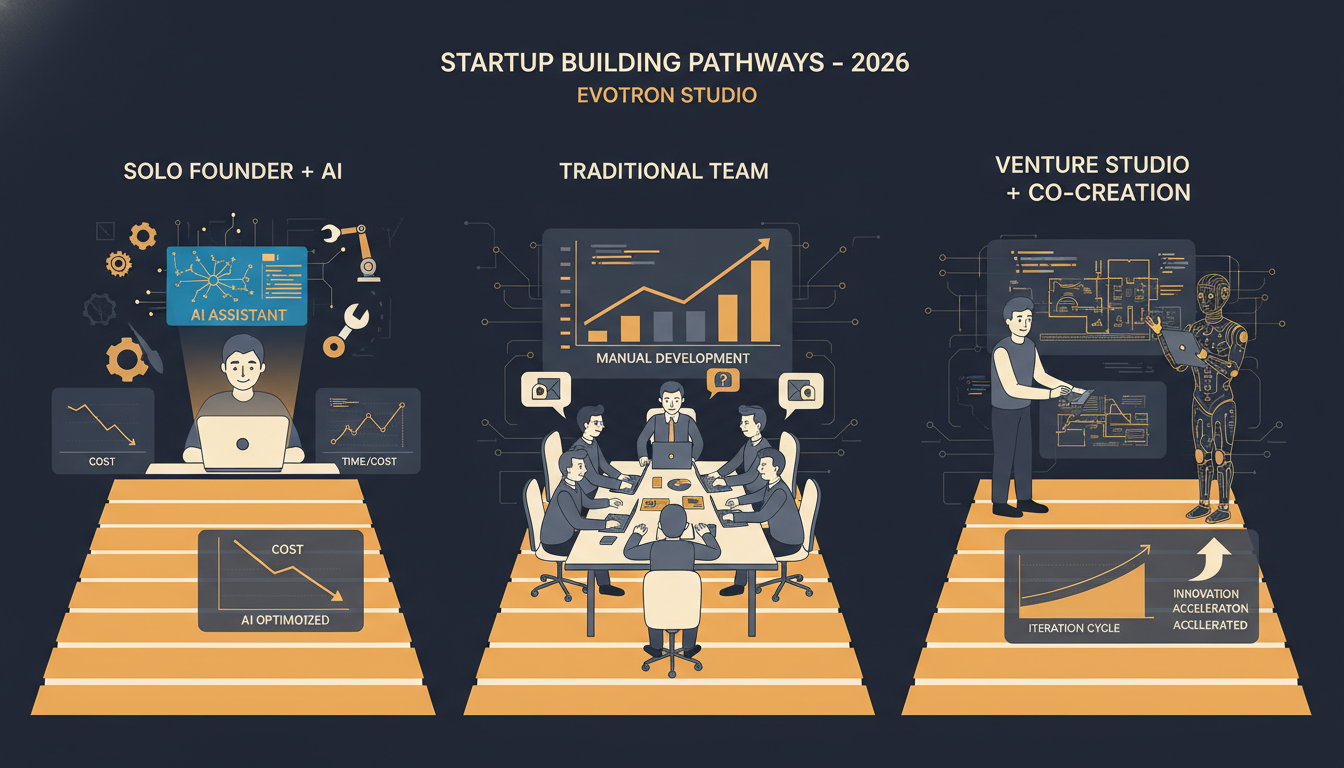
The successful pattern looks like this: Use AI to get to product-market fit and initial revenue with zero or near-zero headcount. Then make surgical hires only where human judgment genuinely outperforms automation. But when exactly is that?
The 10 Decision Factors That Matter Most
After analyzing hundreds of AI implementation decisions across NZ startups, these are the factors that actually determine success:
1. Technical Complexity
The skill of 2026 is not writing a QuickSort algorithm; it is looking at an AI-generated QuickSort and instantly spotting that it uses an unstable pivot. This requires higher expertise, not lower.
Choose human-guided when your technical requirements involve:
- Multi-system integrations with legacy code
- Performance optimization at scale
- Security-critical implementations
- Complex architectural decisions
Go solo AI for:
- Standard CRUD applications
- Well-documented API integrations
- Frontend development with established patterns
- Content generation and marketing automation
2. Domain Expertise Requirements
The key point is knowing who (or what) has the edge in which aspect of the task is crucial. The best collaborations split the work such that each only handles the parts they're best at.
Industries like healthcare, fintech, and legal require deep domain knowledge that even advanced AI models lack. A human partner who understands compliance, regulatory requirements, and industry nuances becomes essential.
3. Time Constraints and Speed Requirements
Multi-agent teams deliver production-ready code at speeds no human team can match, but setup time varies dramatically.
Solo AI wins when:
- You need rapid prototyping (days, not weeks)
- The solution path is clear
- Iteration speed matters more than perfection
Human-guided excels when:
- Strategic decisions need to be right the first time
- The problem requires exploration and discovery
- Long-term architecture matters more than short-term speed
4. Risk Tolerance
Ongoing hallucinations and mistakes, coupled with the ease with which hackers can hijack an agentic AI system using prompt injection and other methods, has been a wakeup call that has slowed adoption. "Companies will continue to have some human in the loop" to create guardrails for agentic AI.
High-stakes decisions require human oversight. For decision-making tasks like classifying deep fakes, forecasting demand, and diagnosing medical cases, human-AI teams often underperformed against AI alone, but this doesn't apply when the cost of being wrong is catastrophic.
5. Team Capabilities and AI Fluency
"AI fluency will be a must-have skill across nearly every role, but the real premium will be on discernment; knowing when not to use AI," she says. Ramakrishnan expects to see business failures from companies that deployed AI without developing human judgment capabilities.
Does your team have the AI fluency to:
- Interpret AI outputs critically?
- Spot when AI is confident but wrong?
- Design effective prompts and workflows?
If not, human guidance isn't optional—it's essential for avoiding costly mistakes.
6. Budget Considerations
Startup costs for a solo AI business in 2026 range from $3,000 to $12,000 for the first year, covering software subscriptions, hosting, and basic marketing. This represents a 95-98% cost reduction compared to launching with a traditional team.
But this assumes you can execute effectively solo. A skilled full-time virtual assistant can easily cost $3,000 to $5,000 per month—now imagine the cost of an experienced technical partner.
The calculation: Solo AI if your runway is tight and the problem is well-defined. Human-guided if the cost of getting it wrong exceeds the cost of expert guidance.
7. Regulatory and Compliance Needs
The result is a growing expectation that employers will proactively test and monitor AI systems for discriminatory effects, document their findings, and adjust or abandon tools that create unacceptable legal or equity risks.
Regulated industries require humans who understand compliance requirements. For specific industries, obtain relevant compliance certifications: SOC 2 for general business applications, HIPAA for healthcare, PCI-DSS for payment processing, and GDPR compliance for European customers. These certifications are expensive and time-consuming but necessary for enterprise sales.
8. Scalability Requirements
Traditional businesses scale linearly—more revenue requires more people. Solopreneur scaling works vertically through workflows, automations, and reusable assets that increase output while costs stay controlled.
Solo AI excels at horizontal scaling—handling more volume of the same tasks. Human-guided AI excels at vertical scaling—handling more complex, varied, and strategic challenges.
9. Integration Complexity
Modern startups don't build in isolation. You're integrating with Stripe, Slack, your CRM, analytics tools, and more.
Solo AI handles standard integrations with robust APIs and clear documentation.
Human guidance essential for custom integrations, legacy systems, and complex data transformations.
10. Ongoing Support and Evolution Needs
Human involvement is the critical factor determining the success or failure of automation initiatives at this stage. To work effectively, it needs human guidance.
AI agents require ongoing refinement, new feature development, and adaptation to changing requirements. The question isn't just "Can AI build this?" but "Can AI maintain and evolve this over time?"
The Hybrid Approach: Best of Both Worlds
The most successful implementations in 2026 aren't purely human or purely AI—they're strategically hybrid.
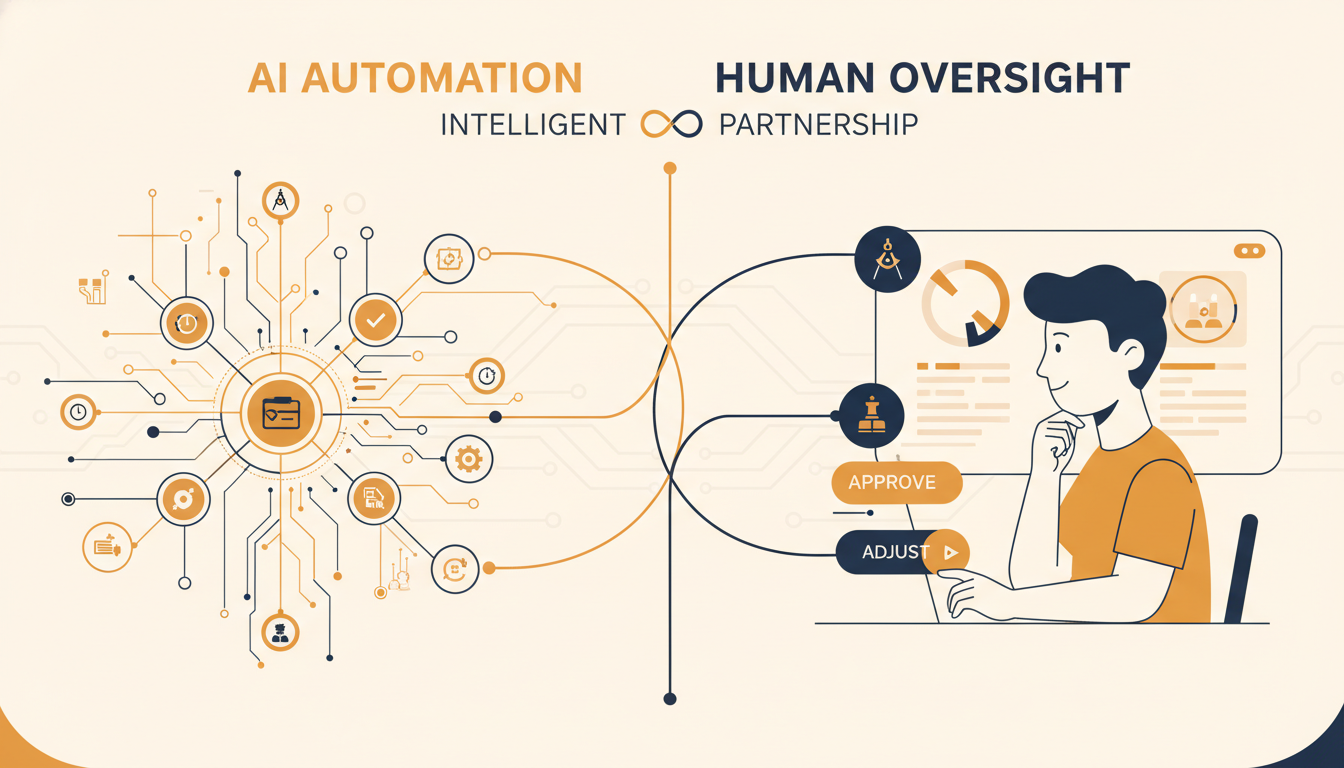
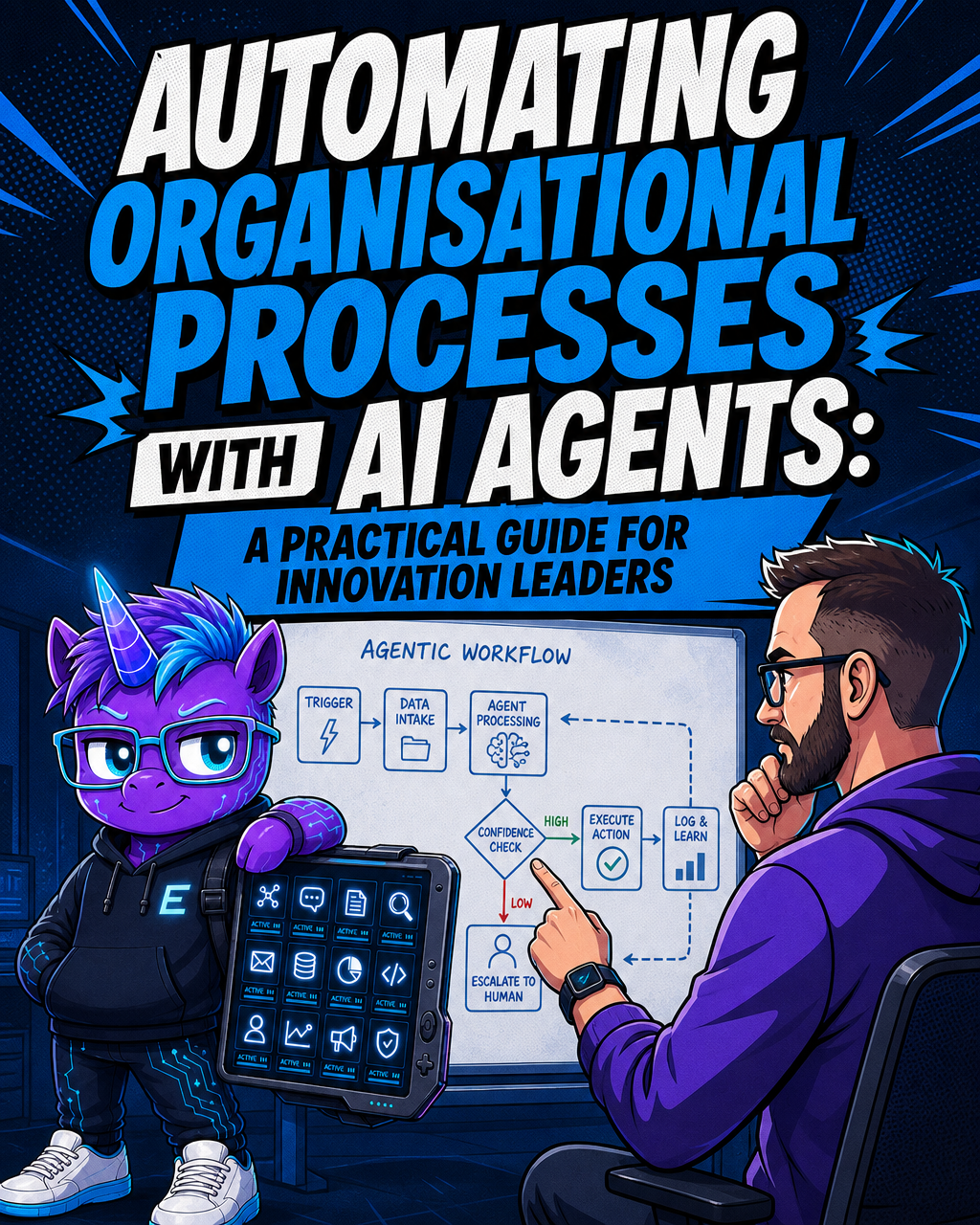
Instead of having a human create a forecast and then an AI adjust it (or vice versa), a better process might be to have the AI generate a baseline forecast and highlight specific items with high uncertainty where a human analyst should investigate further. That way the human isn't meddling where the AI is confident and likely correct, but is focusing their expertise where the AI is unsure.
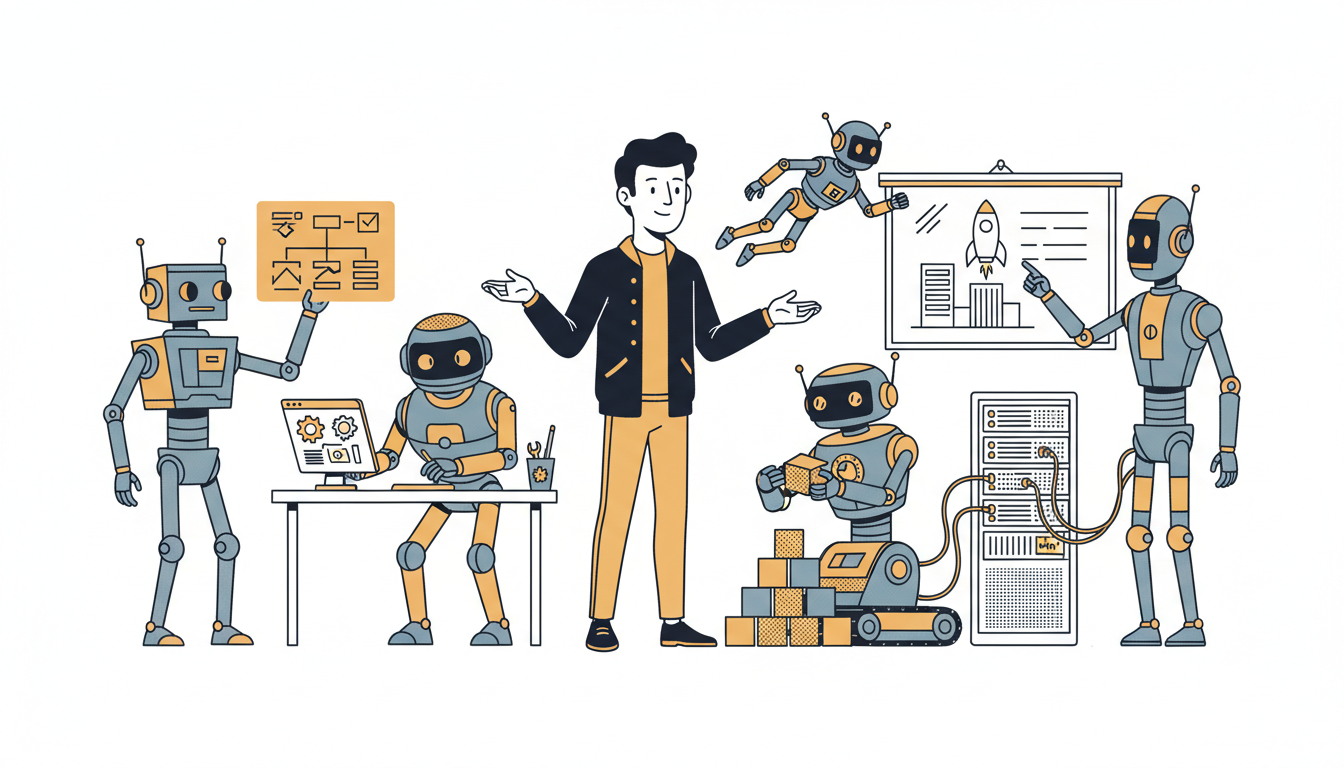
This is exactly what happens in an agentic venture studio model. AI agents handle the heavy lifting—code generation, content creation, data processing. Humans provide strategic direction, quality assurance, and domain expertise.
Making the Decision
Here's your decision framework:
Choose Solo AI Implementation when:
- Technical complexity is low to moderate
- Domain expertise isn't critical
- Time constraints favor speed over perfection
- Risk tolerance is high
- Team has strong AI fluency
- Budget is constrained
- Regulatory requirements are minimal
- Scaling needs are primarily horizontal
- Integration requirements are straightforward
- Ongoing support needs are predictable
Choose Human-Guided AI when:
- Technical complexity is high
- Domain expertise is essential
- Getting it right matters more than getting it fast
- Risk tolerance is low
- Team lacks AI fluency
- Budget allows for expertise investment
- Regulatory compliance is required
- Scaling needs are complex and varied
- Integration requirements are custom or legacy
- Ongoing evolution and strategic guidance is needed
The NZ Founder's Reality
For most NZ founders, the choice isn't binary. You're not choosing between hiring a full development team or going completely solo. You're choosing between:
- DIY with tools like Evotron and Supramono—powerful AI platforms that let you build and market directly
- Partnership with an agentic venture studio that combines human strategic guidance with AI-powered execution
The tools exist to build incredible things solo. But the guidance exists to build the right things, faster, with less risk.
The leadership imperative for 2026 is clear: make change fitness a core capability, not an afterthought. Invest in broad AI literacy, redesign workflows (not just jobs), and reward learning speed and outcomes.
The question isn't whether AI can build your startup. It's whether you can guide it to build the right startup—the one that actually solves a real problem for real customers.
Ready to explore your options? Whether you want to drive AI agents yourself or partner with humans who know how to get the best from them, learn more about what's possible at Evotron Studio.
Evotron Studio
We build and run our own AI-amplified ventures — and bring the same capability into yours.
We build and run our own AI-amplified ventures — and bring the same capability into yours.
Learn more about Evotron Studio and get started today.
Visit Evotron Studio