Vibe Coding vs Agentic Engineering: 10 Concrete Differences
Vibe Coding vs Agentic Engineering: 10 Concrete Differences
Two terms are fighting for space in every engineering conversation right now. Vibe coding spread rapidly across developer communities after Andrej Karpathy popularised it in February 2025 — the idea that you just talk to an AI, it builds, and you go with the flow. Agentic engineering is a term that emerged from the broader industry as the vocabulary caught up with what serious practitioners were actually doing; Karpathy and others contributed to that framing, but it arose from multiple sources rather than a single coinage.
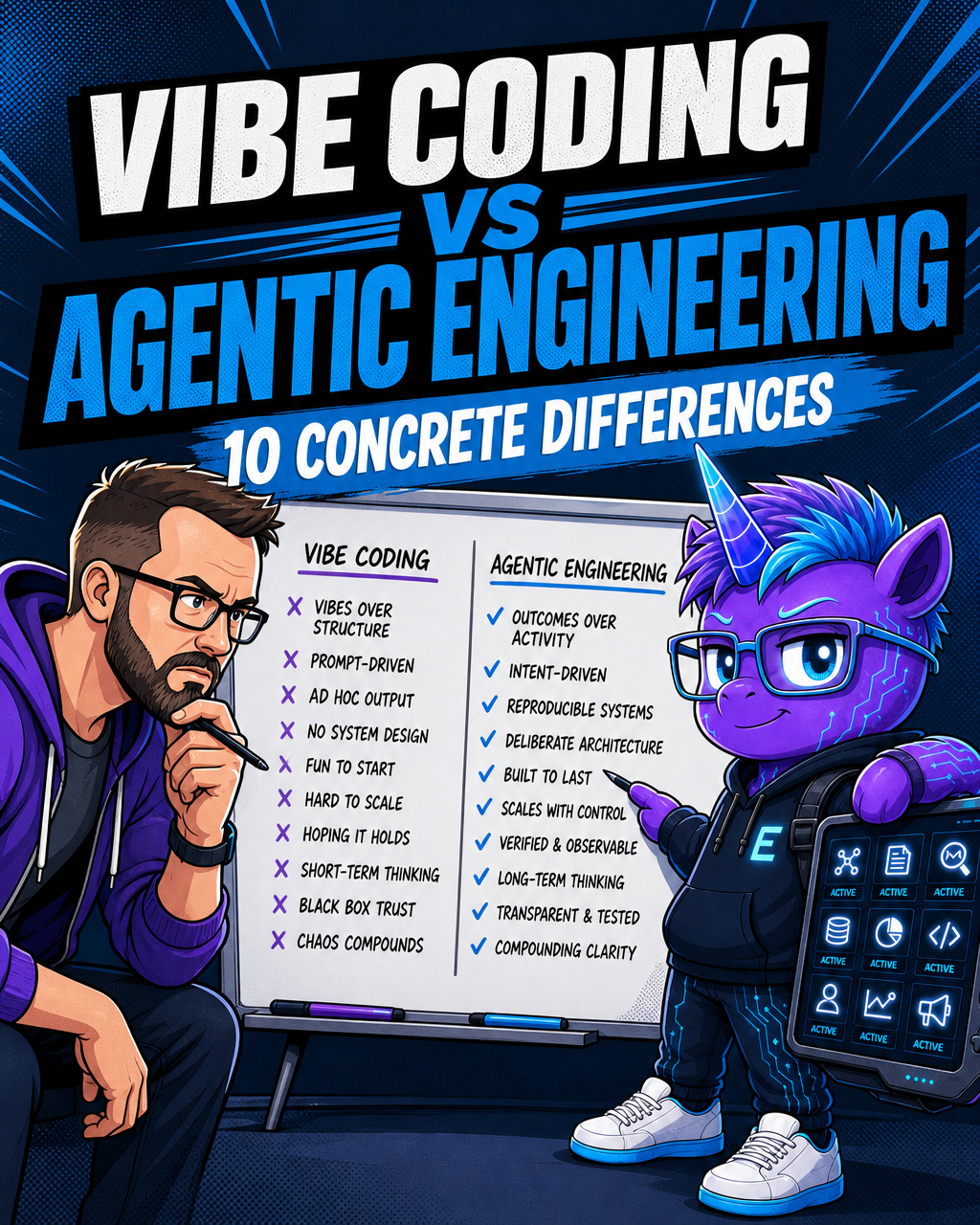
The distinction matters if you're a technical leader deciding how your team should work with AI. One approach is a useful shortcut. The other is a production discipline. Here are ten concrete ways they differ.
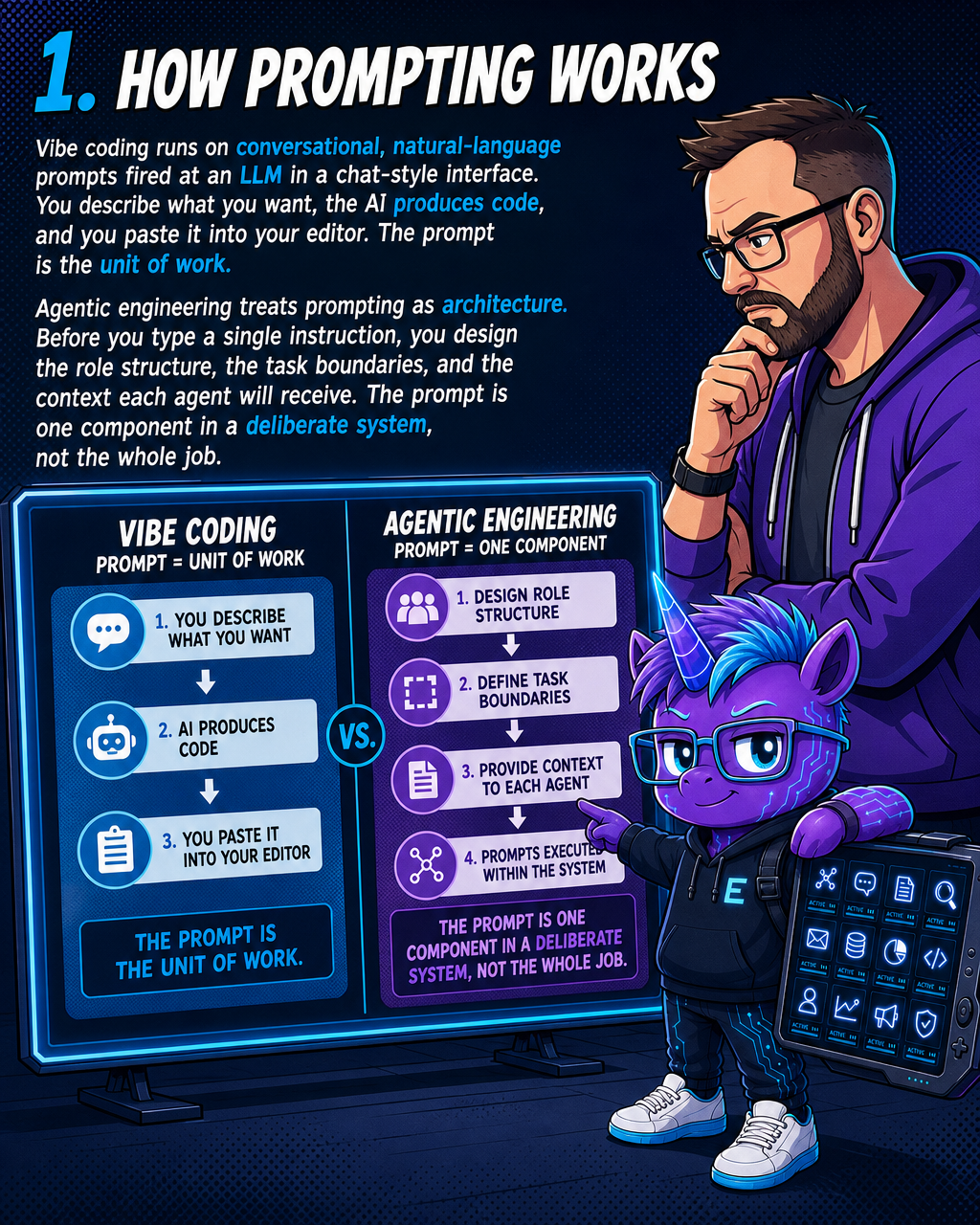
1. How prompting works
Vibe coding runs on conversational, natural-language prompts fired at an LLM in a chat-style interface. You describe what you want, the AI produces code, and you paste it into your editor. The prompt is the unit of work.
Agentic engineering treats prompting as architecture. Before you type a single instruction, you design the role structure, the task boundaries, and the context each agent will receive. The prompt is one component in a deliberate system, not the whole job.
2. Human autonomy vs agent autonomy
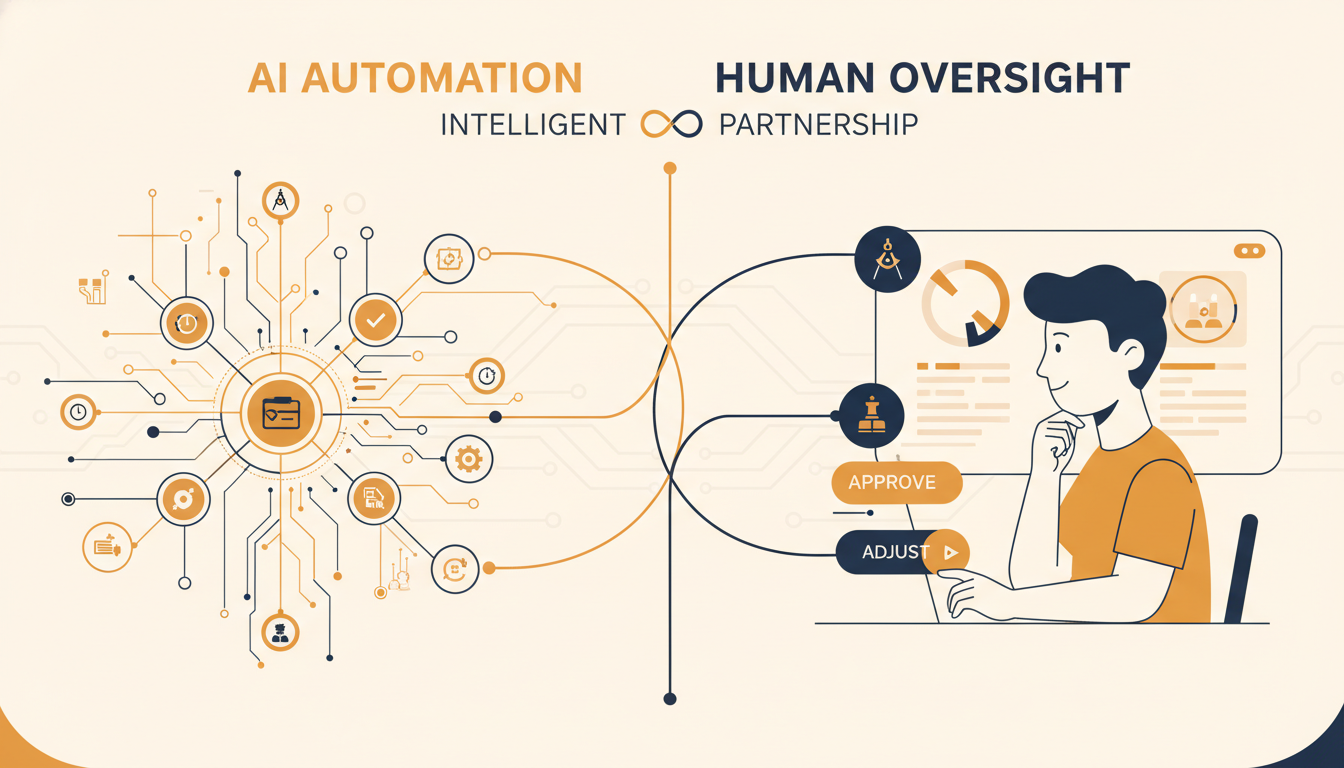
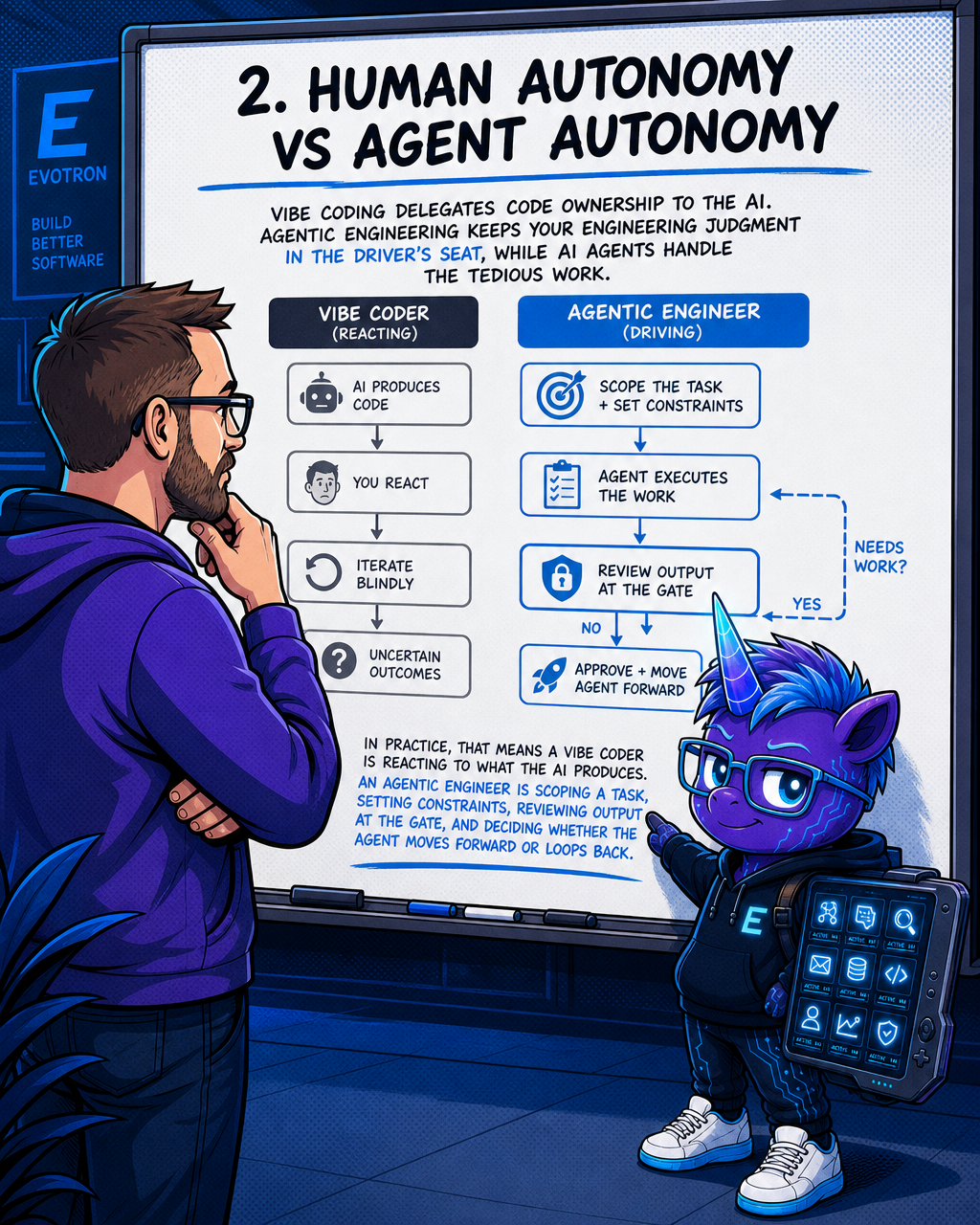
Vibe coding delegates code ownership to the AI. Agentic engineering keeps your engineering judgment in the driver's seat while AI agents handle the tedious work.
In practice, that means a vibe coder is reacting to what the AI produces. An agentic engineer is scoping a task, setting constraints, reviewing output at the gate, and deciding whether the agent moves forward or loops back.
3. The human role
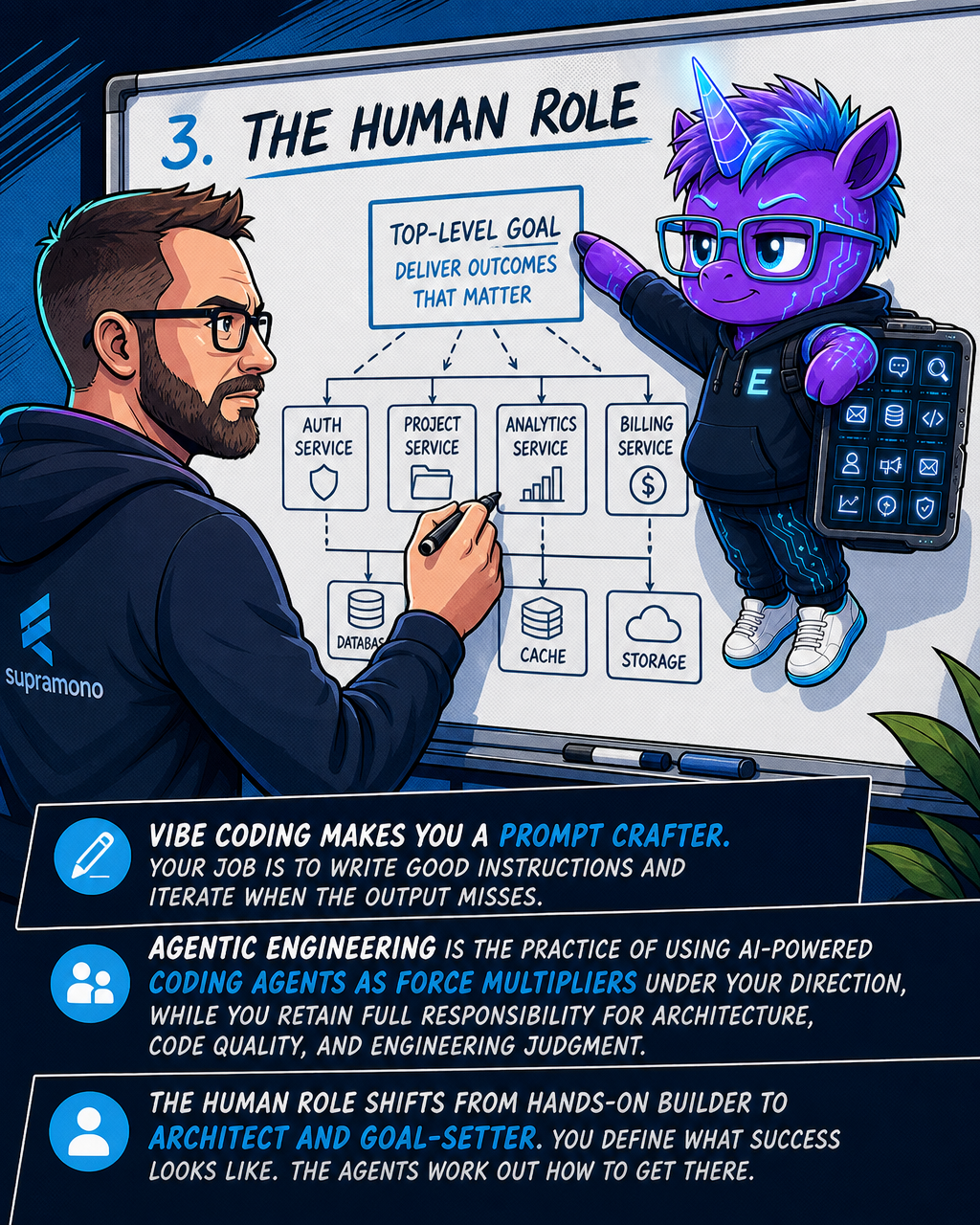
Vibe coding makes you a prompt crafter. Your job is to write good instructions and iterate when the output misses.
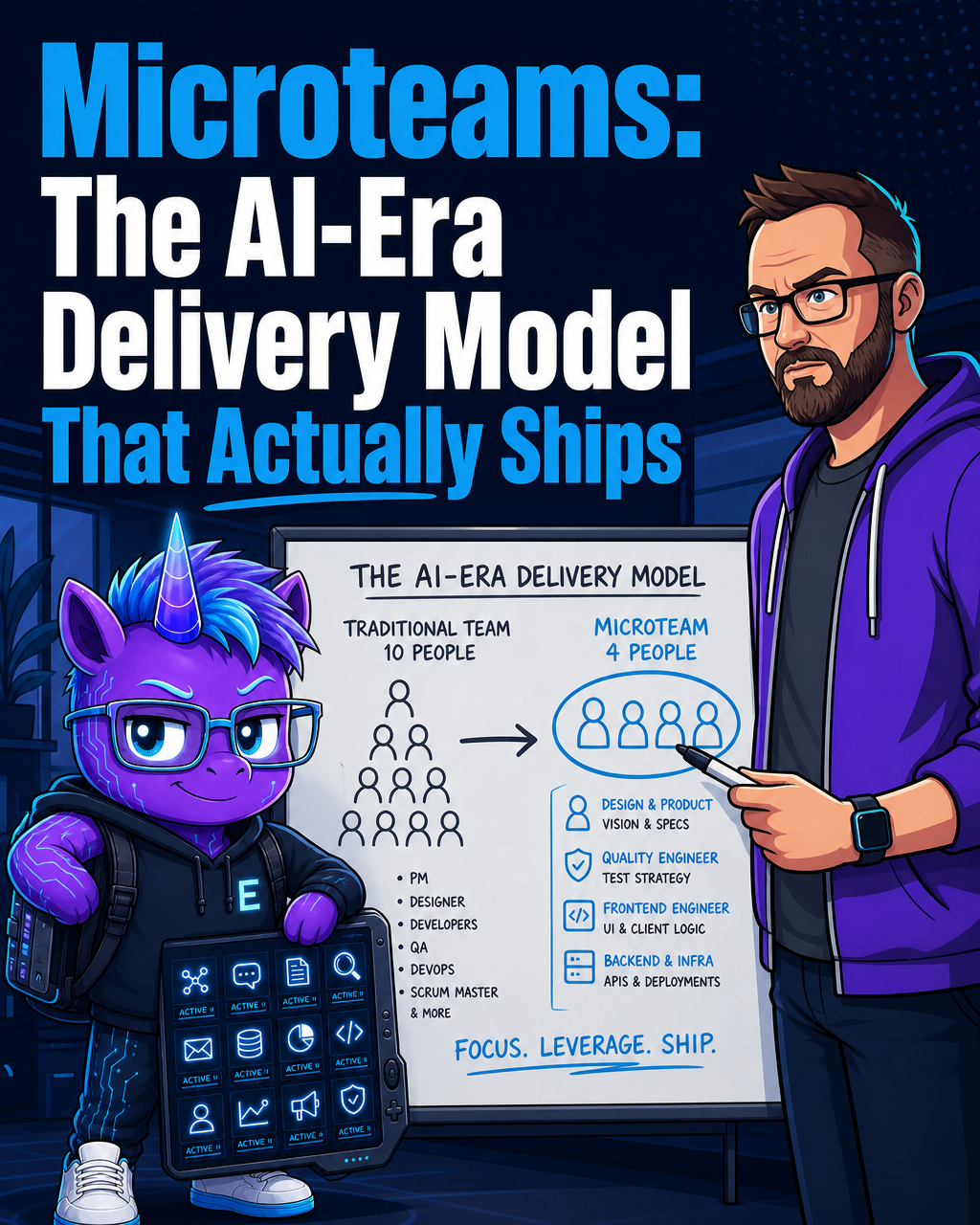
Agentic engineering is the practice of using AI-powered coding agents as force multipliers under your direction, while you retain full responsibility for architecture, code quality, and engineering judgment. The human role shifts from hands-on builder to architect and goal-setter. You define what success looks like. The agents work out how to get there.
4. Speed vs reliability
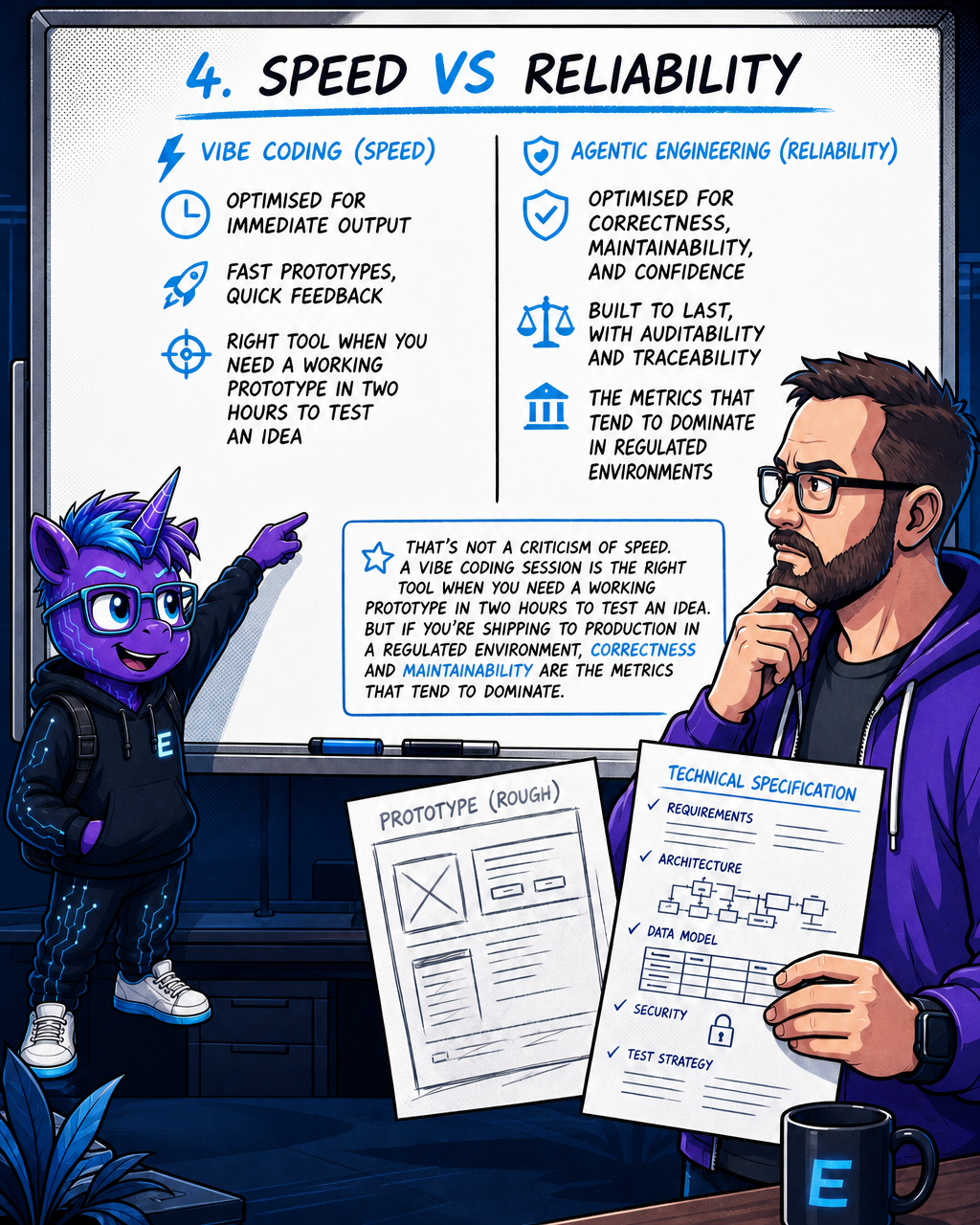
Vibe coding optimises for immediate output. Agentic engineering optimises for correctness, maintainability, and confidence.
That's not a criticism of speed. A vibe coding session is the right tool when you need a working prototype in two hours to test an idea. But if you're shipping to production in a regulated environment, correctness and maintainability are the metrics that tend to dominate.
5. Scope of output
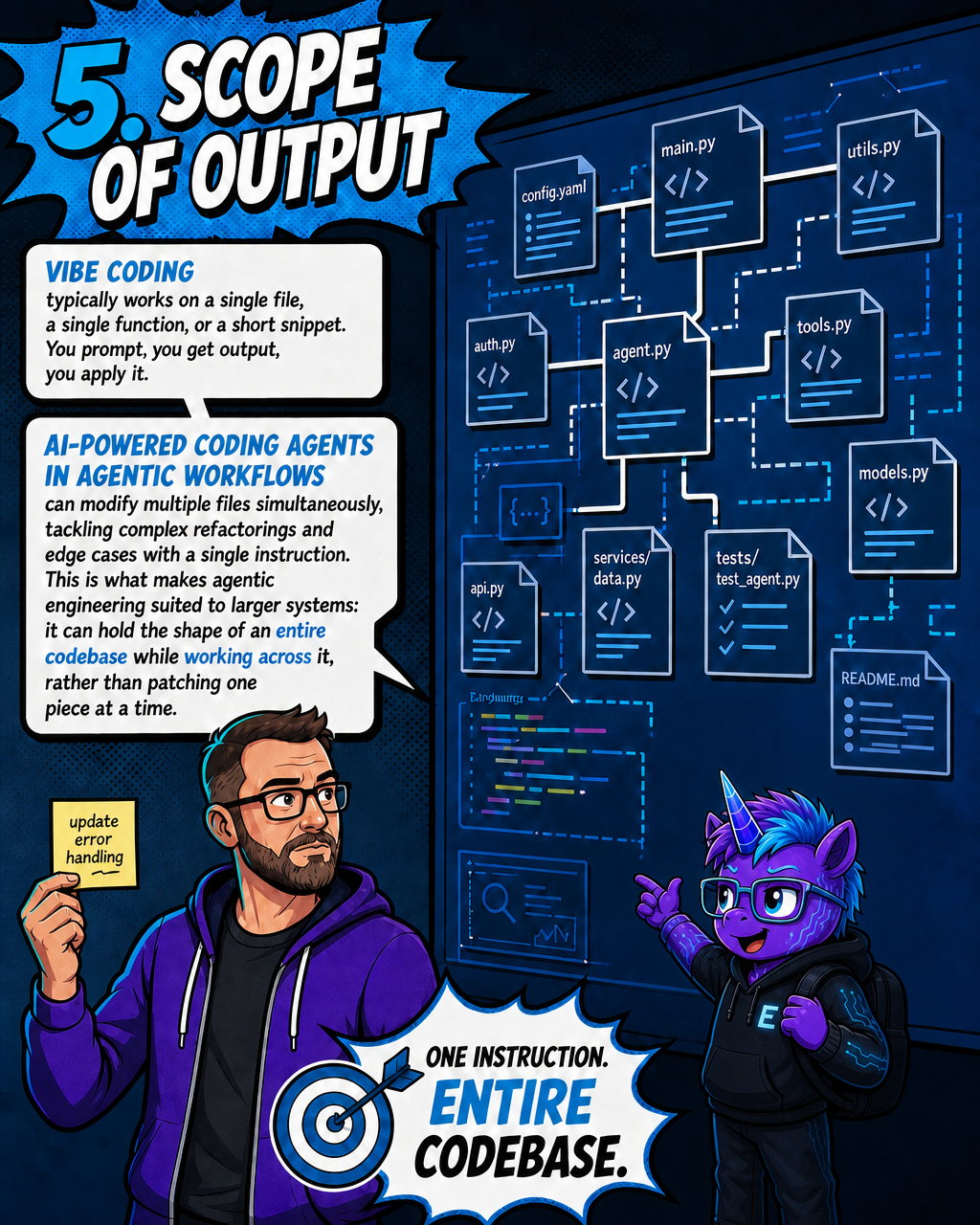
Vibe coding typically works on a single file, a single function, or a short snippet. You prompt, you get output, you apply it.
AI-powered coding agents in agentic workflows can modify multiple files simultaneously, tackling complex refactorings and edge cases with a single instruction. This is what makes agentic engineering suited to larger systems: it can hold the shape of an entire codebase while working across it, rather than patching one piece at a time.
6. Error handling
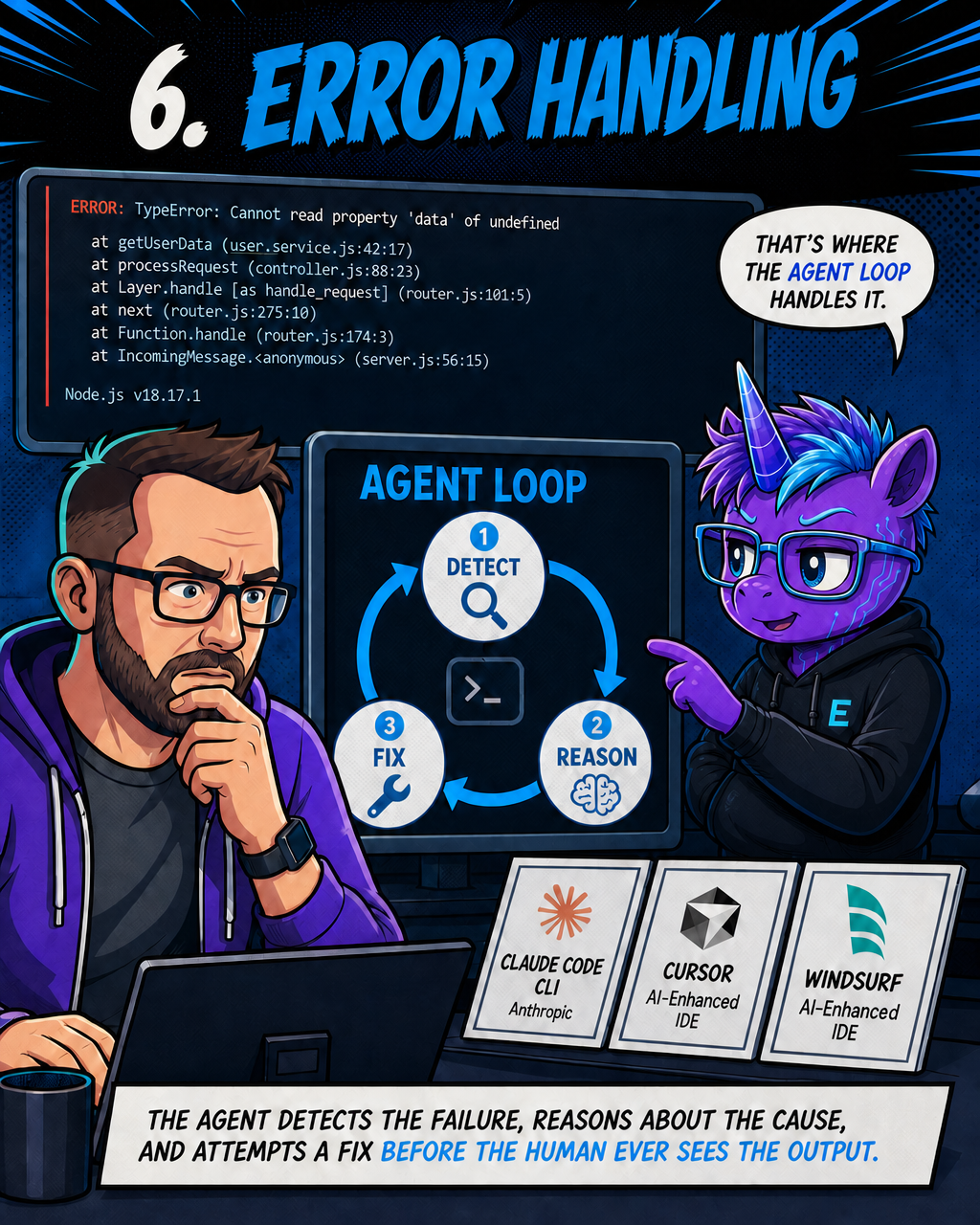
When vibe coding produces a mistake, the human finds it. You run the code, it breaks, you prompt again with the error message. The feedback loop runs through the developer.
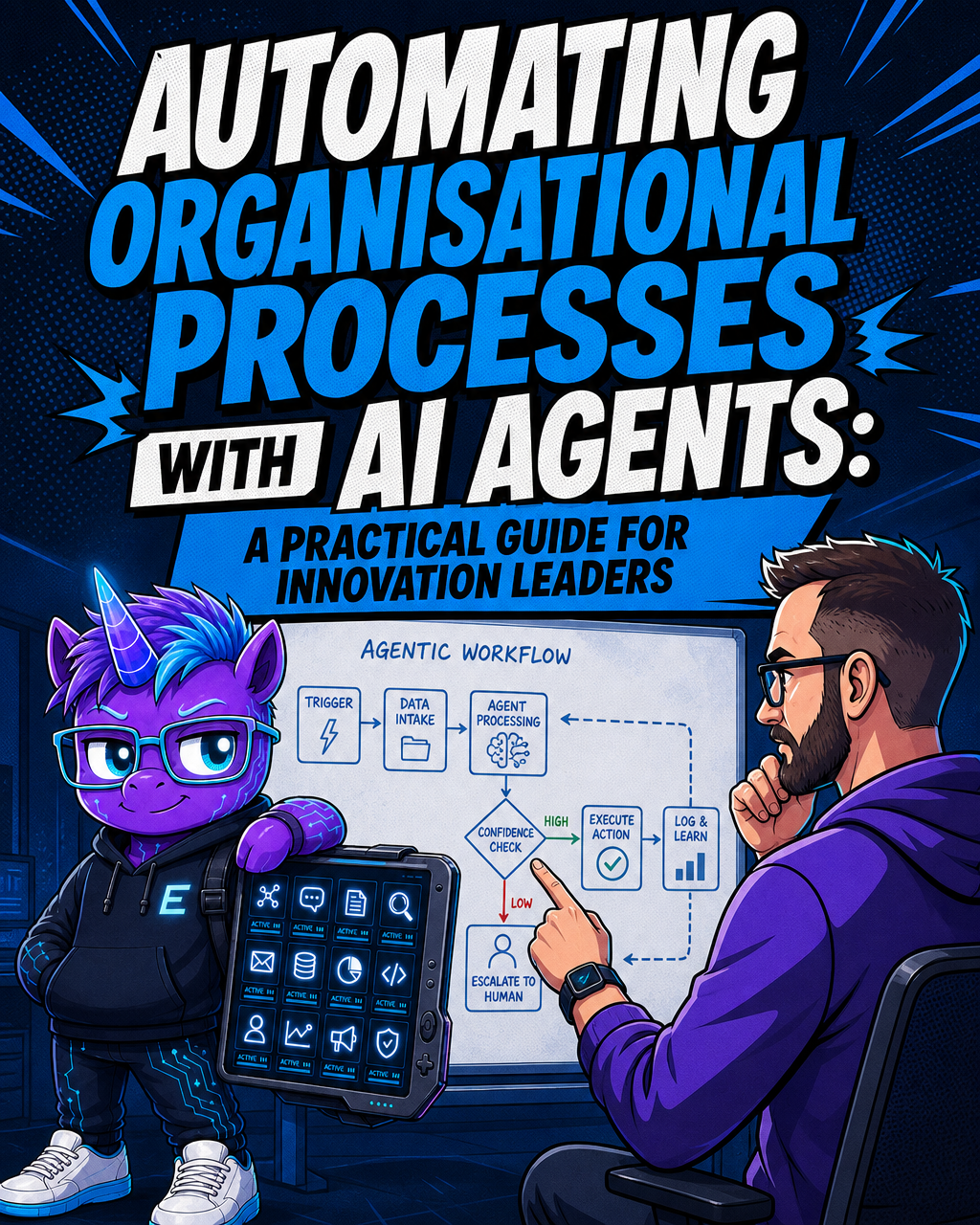
With agentic engineering, you're spinning up coding agents — tools such as Anthropic's Claude Code CLI, Cursor (an AI-enhanced IDE with agentic workflow support), and Windsurf (similarly an AI-enhanced IDE) — that can read your codebase, execute shell commands, run your test suite, and loop on failures until the tests pass. These tools sit across a spectrum from IDE-integrated copilots to more autonomous agent loops, and their capabilities vary accordingly. Error handling is embedded in the pipeline. The agent detects the failure, reasons about the cause, and attempts a fix before the human ever sees the output.
7. Accountability structures
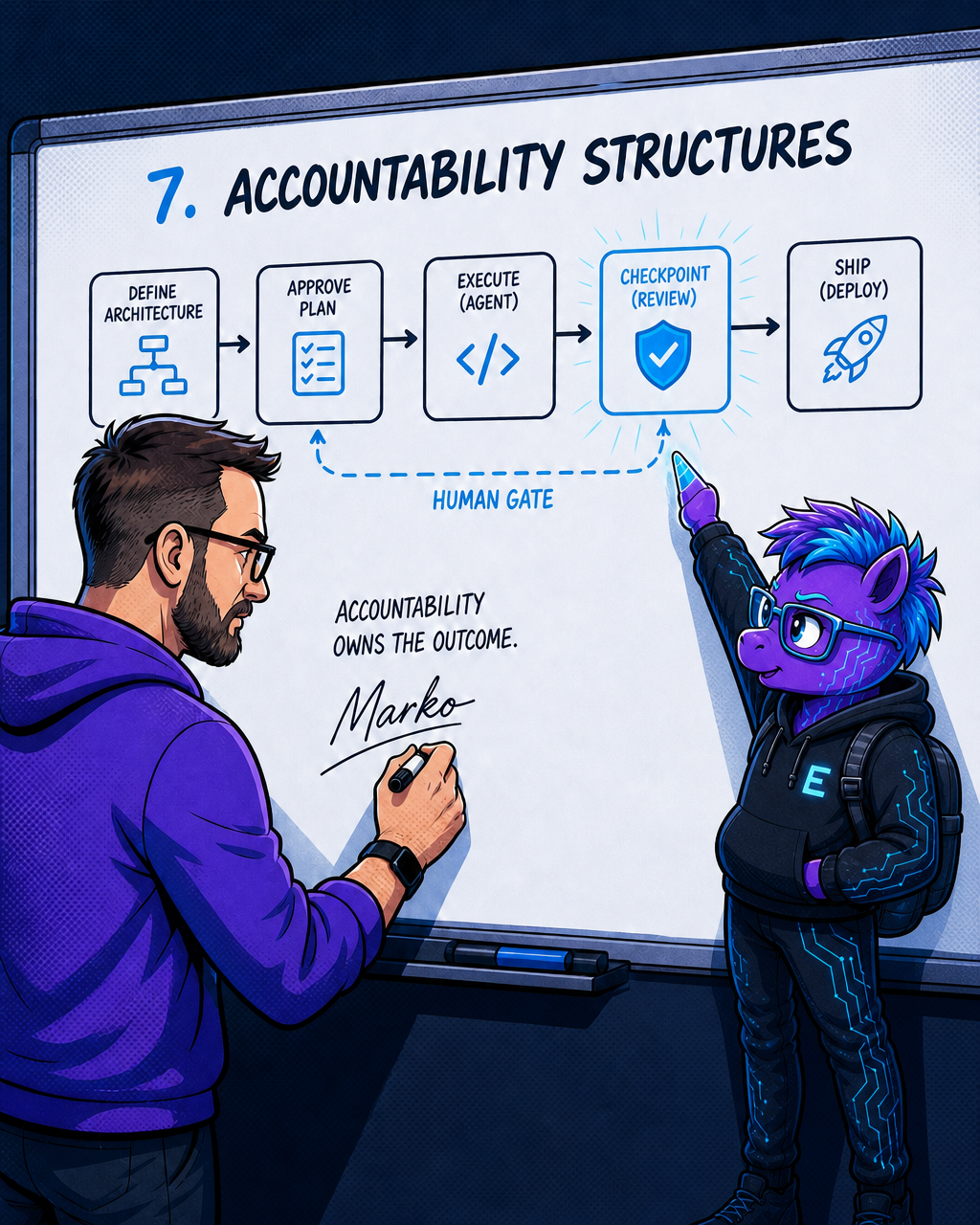
Vibe coding has a simple accountability model: you asked, the AI answered, you shipped it. That simplicity is also its risk. AI can generate large amounts of code, but your team still owns the outcome. You cannot delegate responsibility, only execution.
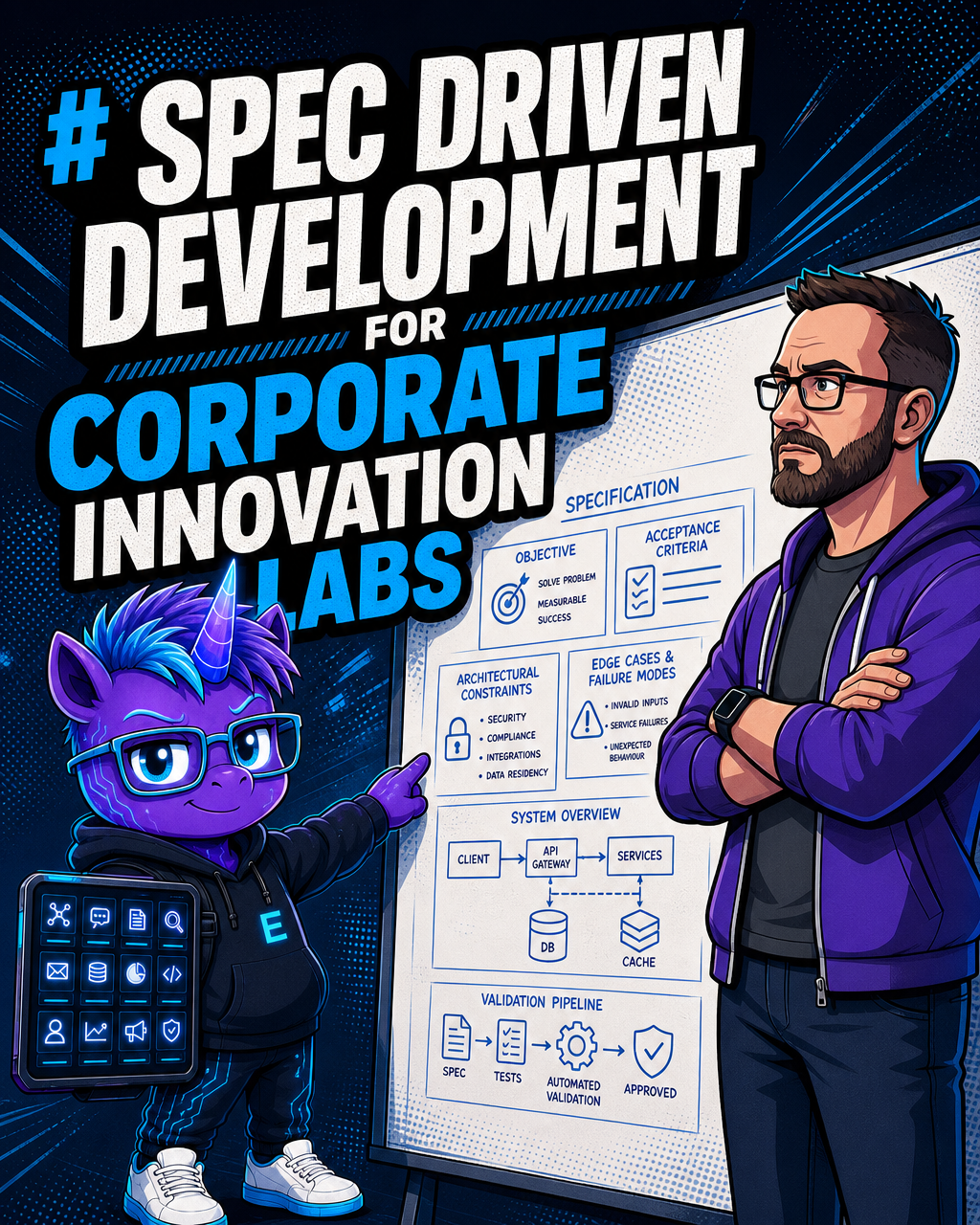
Agentic engineering formalises that reality. Because the human defines the architecture, approves the plan, and reviews output at explicit checkpoints, accountability is structural rather than assumed. You can trace every decision back to a human gate.
8. Governance and enterprise fit
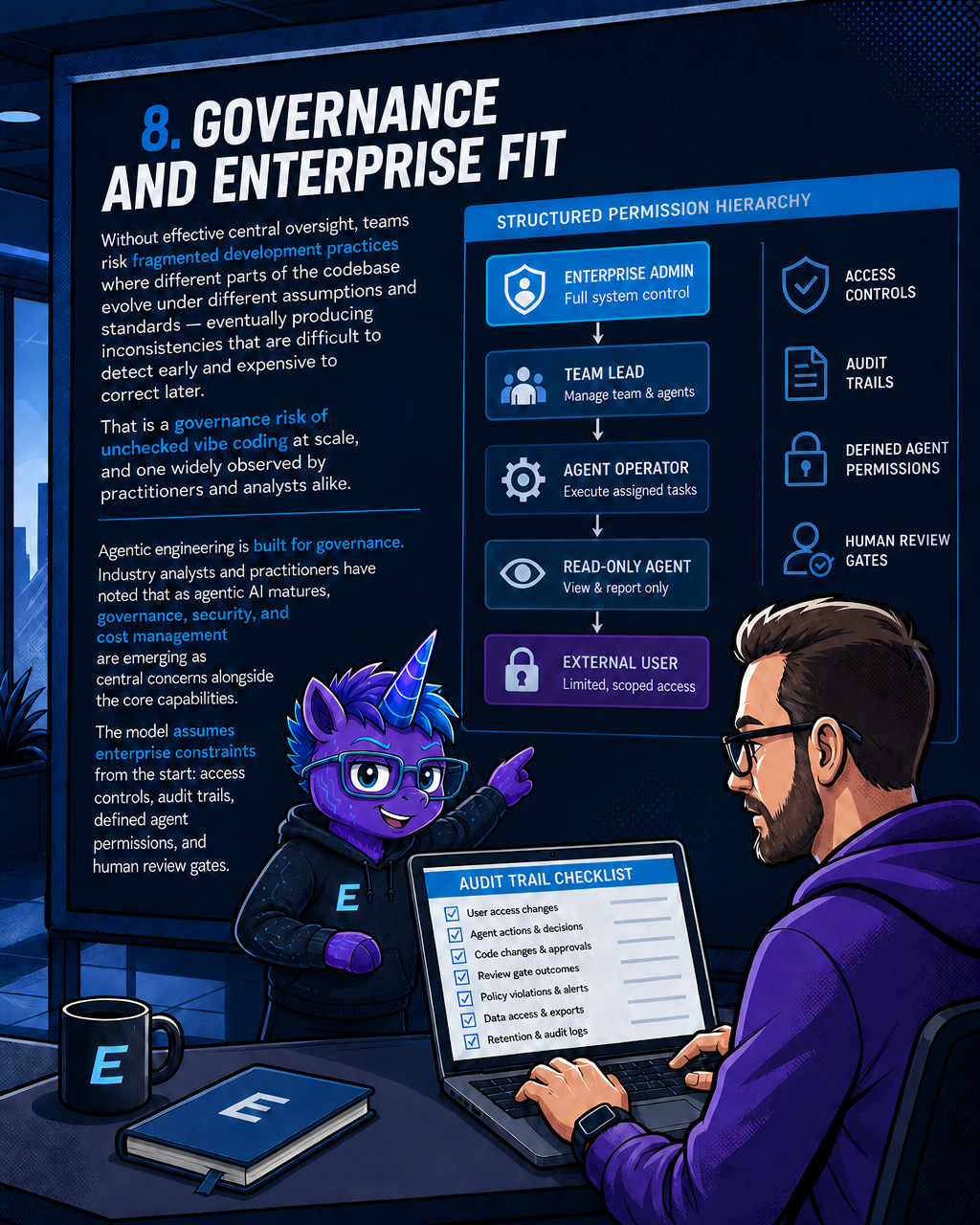
Without effective central oversight, teams risk fragmented development practices where different parts of the codebase evolve under different assumptions and standards — eventually producing inconsistencies that are difficult to detect early and expensive to correct later. That is a governance risk of unchecked vibe coding at scale, and one widely observed by practitioners and analysts alike.
Agentic engineering is built for governance. Industry analysts and practitioners have noted that as agentic AI matures, governance, security, and cost management are emerging as central concerns alongside the core capabilities. The model assumes enterprise constraints from the start: access controls, audit trails, defined agent permissions, and human review gates.
9. Individual vs systems thinking
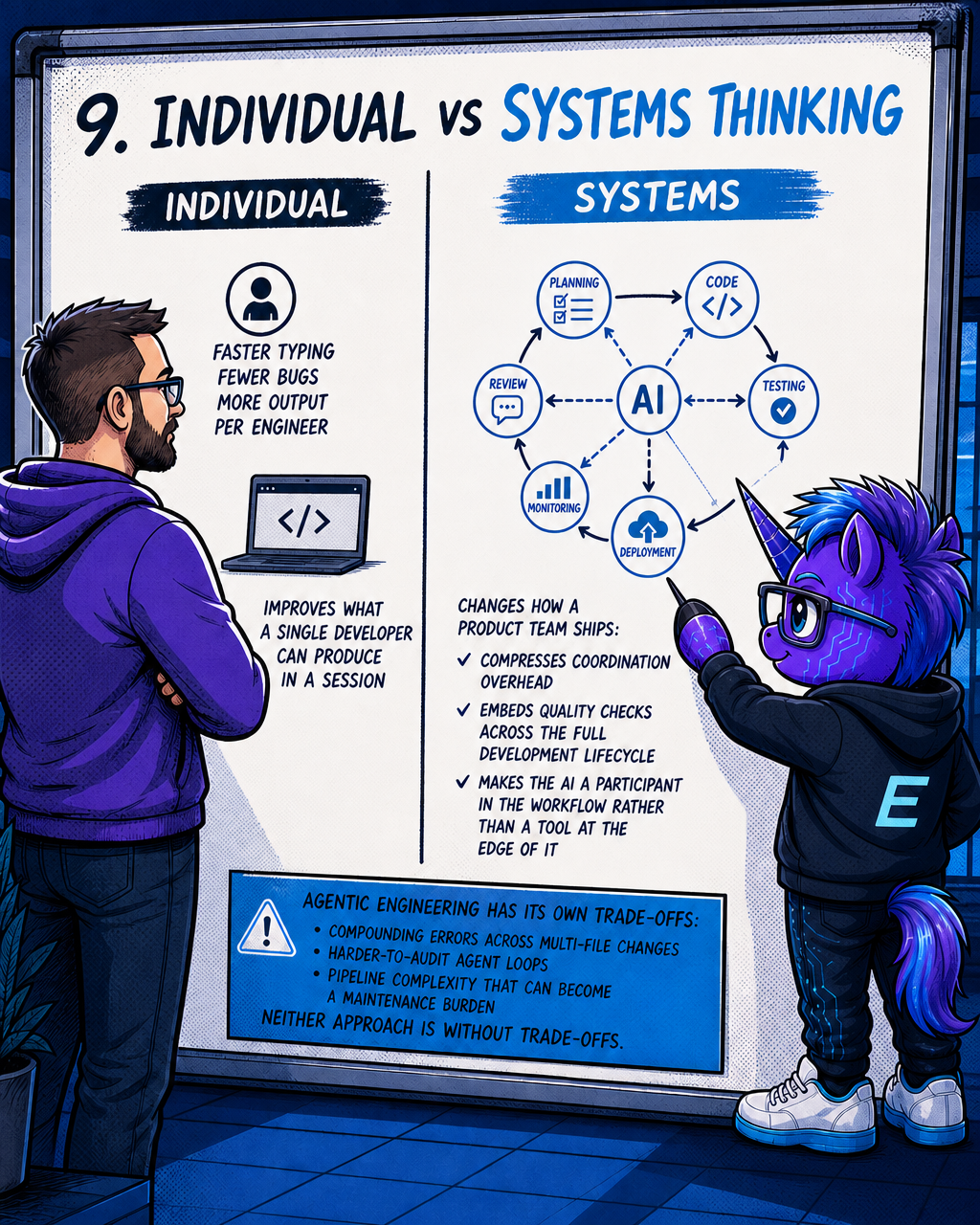
While the early hype around AI coding focused on individual productivity — faster typing, fewer bugs, more output per engineer — agentic engineering focuses on systems more than individuals.
This is the conceptual gap that matters most for technical leaders. Vibe coding improves what a single developer can produce in a session. Agentic engineering changes how a product team ships: it compresses coordination overhead, embeds quality checks across the full development lifecycle, and makes the AI a participant in the workflow rather than a tool at the edge of it.
It is worth noting that agentic engineering introduces its own failure modes: compounding errors across multi-file changes, harder-to-audit agent loops, and pipeline complexity that can itself become a maintenance burden. Neither approach is without trade-offs.
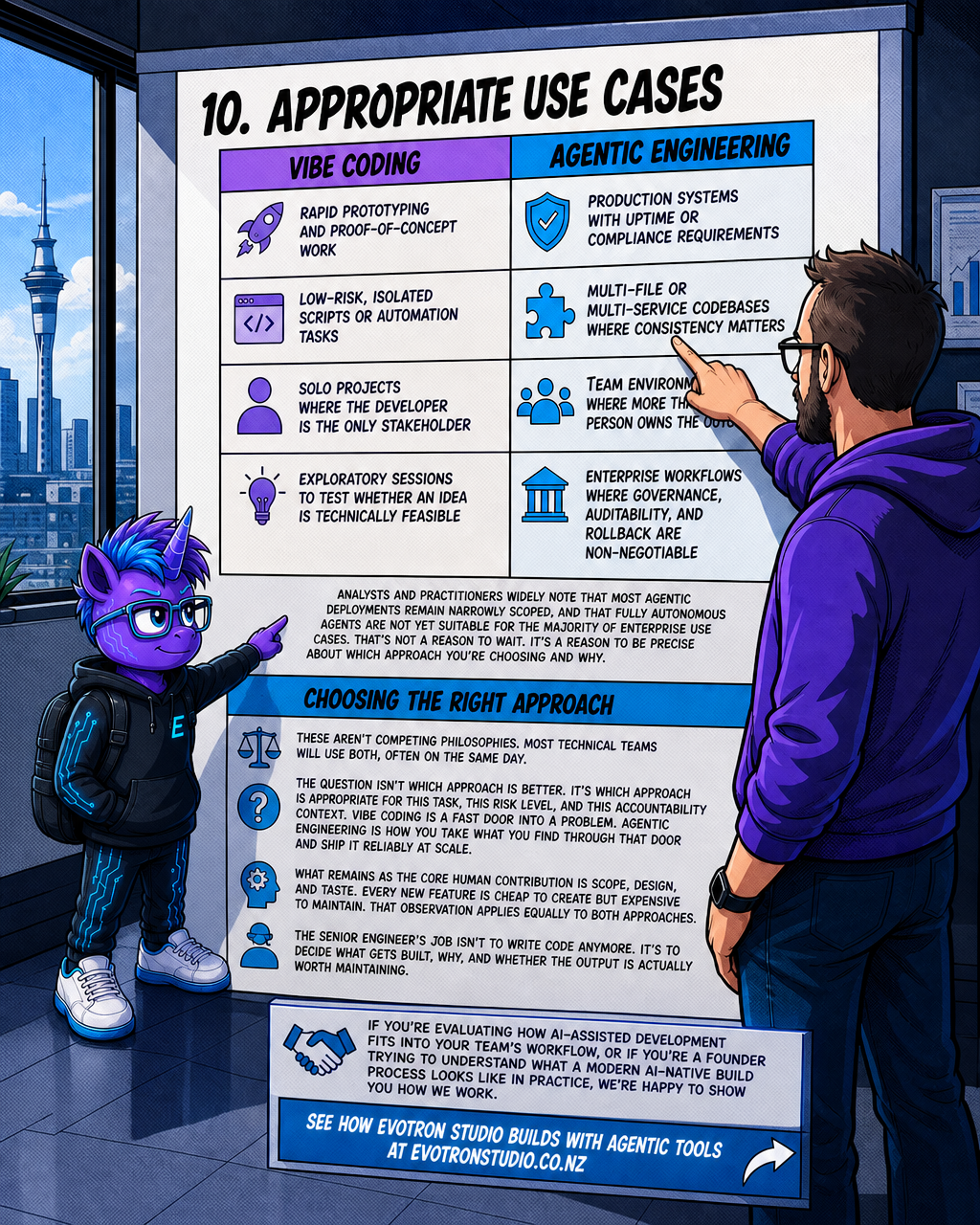
10. Appropriate use cases
Vibe coding is well-suited to:
- Rapid prototyping and proof-of-concept work
- Low-risk, isolated scripts or automation tasks
- Solo projects where the developer is the only stakeholder
- Exploratory sessions to test whether an idea is technically feasible
Agentic engineering is the right approach for:
- Production systems with uptime or compliance requirements
- Multi-file or multi-service codebases where consistency matters
- Team environments where more than one person owns the output
- Enterprise workflows where governance, auditability, and rollback are non-negotiable
Analysts and practitioners widely note that most agentic deployments remain narrowly scoped, and that fully autonomous agents are not yet suitable for the majority of enterprise use cases. That's not a reason to wait. It's a reason to be precise about which approach you're choosing and why.
Choosing the right approach
These aren't competing philosophies. Most technical teams will use both, often on the same day.
The question isn't which approach is better. It's which approach is appropriate for this task, this risk level, and this accountability context. Vibe coding is a fast door into a problem. Agentic engineering is how you take what you find through that door and ship it reliably at scale.
What remains as the core human contribution is scope, design, and taste. Every new feature is cheap to create but expensive to maintain. That observation applies equally to both approaches. The senior engineer's job isn't to write code anymore. It's to decide what gets built, why, and whether the output is actually worth maintaining.
If you're evaluating how AI-assisted development fits into your team's workflow, or if you're a founder trying to understand what a modern AI-native build process looks like in practice, we're happy to show you how we work.
See how Evotron Studio builds with agentic tools at evotronstudio.co.nz
Evotron Studio
We build and run our own AI-amplified ventures — and bring the same capability into yours.
We build and run our own AI-amplified ventures — and bring the same capability into yours.
Learn more about Evotron Studio and get started today.
Visit Evotron Studio